
Composizione fotografica: consigli per foto migliori con lo smartphone
Migliora le foto con lo smartphone grazie a semplici consigli di composizione su inquadratura, spazi, sfondi, linee guida, bordi puliti ed equilibrio visivo.
Di Team editoriale di Pajoox · 19 giu 2026
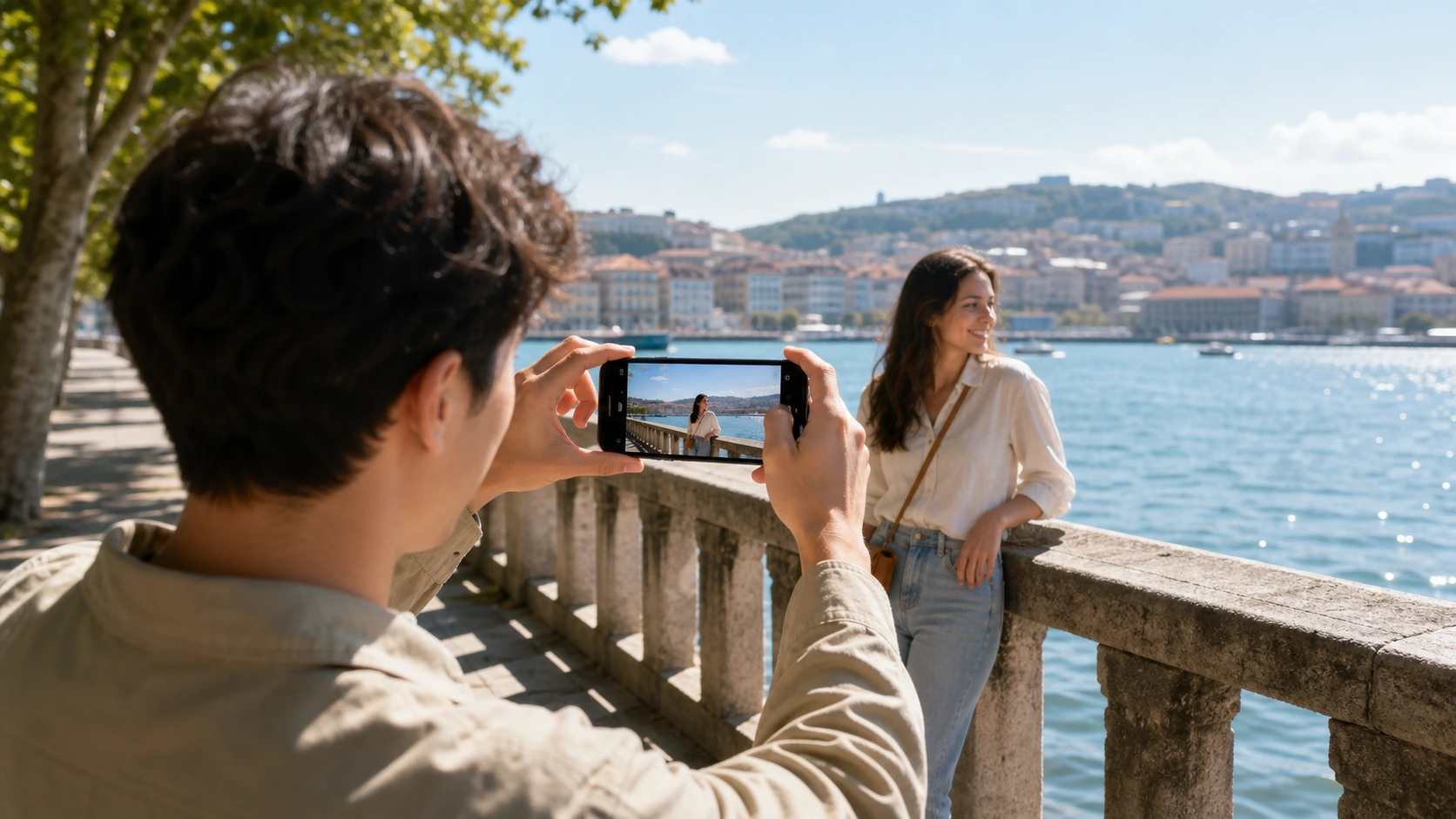
Le foto scattate con lo smartphone possono migliorare rapidamente quando presti attenzione alla composizione. La composizione fotografica riguarda semplicemente il modo in cui tutti gli elementi sono disposti nell’inquadratura: il soggetto, lo sfondo, gli spazi, le linee, i colori e i piccoli dettagli vicino ai bordi. Non servono attrezzature professionali: basta fermarsi un momento prima di scattare.
Una buona composizione rende la foto più chiara e aiuta chi la guarda a capire subito dove rivolgere l’attenzione. Può far sembrare più curati un selfie informale, una foto dell’outfit, uno scatto di viaggio o una foto profilo, senza rendere il risultato eccessivamente costruito.
Parti da un soggetto chiaro
Prima di scattare, poniti una domanda: qual è il soggetto di questa foto? Potrebbe essere una persona, un outfit, un caffè sul tavolo, un panorama di viaggio, una coppia che cammina o un angolo della città. Una volta individuato il soggetto, tutto il resto dell’inquadratura dovrebbe contribuire a valorizzarlo.
Se il soggetto è una persona, assicurati che sia facile da distinguere. Se vuoi mostrare un luogo, lascia allo sfondo abbastanza spazio. Se stai fotografando un outfit, includi l’intero look oppure il dettaglio che conta davvero. La scelta di un soggetto chiaro è la base di una composizione più efficace.
Lascia respirare l’inquadratura
Una foto può apparire scomoda quando il soggetto è troppo vicino ai bordi. Lascia un po’ di spazio intorno alla testa, alle spalle, al corpo o all’oggetto che stai fotografando. Questo spazio rende l’immagine più equilibrata e ti offre maggiore libertà nel caso in cui tu debba ritagliarla in seguito.
Nelle foto a figura intera, controlla i piedi e la parte superiore della testa. Per le foto profilo, lascia spazio intorno alle spalle. Nelle foto di viaggio, assicurati che sia la persona sia il luogo siano chiaramente leggibili.
Controlla i bordi della foto
Molti elementi di disturbo compaiono proprio vicino ai bordi: un cestino, un cartello casuale, una persona visibile solo a metà, un oggetto molto luminoso o un palo che entra nella scena. Prima di premere il pulsante di scatto, osserva rapidamente tutti i margini dell’inquadratura. Se qualcosa attira troppo l’attenzione, sposta leggermente lo smartphone o fai un passo di lato.
Questa semplice abitudine può rendere immediatamente più pulite le foto. È uno dei modi più facili per migliorare la composizione, perché non richiede di cambiare completamente posa o luogo.
Usa le linee per guidare lo sguardo
Strade, sentieri, ringhiere, pareti, finestre, scale, ponti e bordi degli edifici possono accompagnare lo sguardo verso il soggetto. Nella composizione fotografica vengono spesso chiamate linee guida e, nelle foto con lo smartphone, sono particolarmente utili per creare profondità e direzione.
Prova a posizionare la persona nel punto verso cui conducono naturalmente le linee. Un marciapiede può guidare lo sguardo verso qualcuno che cammina. Una porta può incorniciare un ritratto. Una fila di finestre può creare ritmo dietro una foto dell’outfit. Le linee aiutano a dare ordine all’immagine.
Scegli uno sfondo che valorizzi il soggetto
Lo sfondo non deve necessariamente essere vuoto, ma dovrebbe aiutare la foto. Se è troppo affollato, il soggetto rischia di perdersi. Uno sfondo con colori semplici, una trama piacevole o una struttura ordinata rende invece più facile distinguere l’elemento principale.
Per i ritratti e le foto profilo funzionano spesso bene pareti pulite, zone vicino a una finestra con luce morbida e spazi esterni semplici. Nelle foto di viaggio, includi abbastanza ambiente da mostrare il luogo, ma evita di posizionare la persona così lontano da renderla difficile da vedere.
Prova a spostare il soggetto dal centro
Collocare il soggetto al centro può creare una foto forte e semplice, soprattutto per una foto profilo. Tuttavia, una posizione leggermente decentrata può rendere l’immagine più dinamica. Sposta il soggetto un po’ verso destra o verso sinistra e lascia che lo sfondo occupi l’altro lato.
Questa soluzione è utile per foto di viaggio, scatti in strada e immagini di outfit in cui anche l’ambiente ha un ruolo importante. Per esempio, puoi posizionare la persona su un lato e lasciare che una strada, una parete o un panorama si estendano accanto a lei. Il risultato appare spesso più ampio e arioso.
Adatta l’altezza dello smartphone alla foto
La composizione non riguarda soltanto la posizione a destra o a sinistra. Anche l’altezza dello smartphone cambia il risultato. Le foto all’altezza degli occhi appaiono spesso equilibrate. Un’angolazione leggermente più alta può risultare informale nei selfie. Una posizione più bassa può dare maggiore presenza alle foto in strada o agli outfit, ma va usata con attenzione per mantenere naturale la scena.
Prima di cambiare posizione, prova a modificare l’altezza: alza leggermente lo smartphone, poi abbassalo e confronta i risultati. La stessa posa e lo stesso sfondo possono trasmettere sensazioni diverse con una variazione minima.
Usa un elemento in primo piano per creare profondità
Il primo piano è ciò che si trova più vicino alla fotocamera rispetto al soggetto. Può essere il tavolo di un bar, un gruppo di fiori, il bordo di una finestra, una ringhiera o una porta. Inserire un piccolo elemento in primo piano può rendere una foto con lo smartphone più profonda e composta su più livelli.
Usalo con discrezione. L’elemento in primo piano non dovrebbe coprire il soggetto né diventare la principale distrazione. Dovrebbe aggiungere contesto e accompagnare lo sguardo all’interno della foto.
Scatta una foto ampia, una media e una ravvicinata
Quando non sai come comporre una scena, prova una semplice sequenza di tre foto. Realizza uno scatto ampio che mostri tutto l’ambiente, uno medio concentrato sulla persona o sul soggetto principale e uno ravvicinato dedicato a un dettaglio.
Questo metodo funziona per viaggi, outfit, cibo, foto di coppia e momenti quotidiani. Ti offre maggiore varietà e ti aiuta a capire quale composizione racconta meglio la situazione.
Una checklist rapida per la composizione delle foto
Prima di scattare, controlla il soggetto, lo sfondo, i bordi, lo spazio, l’altezza dello smartphone e la direzione delle linee presenti nella scena. Non è necessario rendere perfetto ogni dettaglio. Anche soltanto una o due correzioni possono far apparire la foto molto più curata.
Come può aiutarti Pajoox
Pajoox ti aiuta a preparare foto migliori con lo smartphone offrendo idee pratiche su pose, angolazioni e composizione in base alla scena reale. Quando non sai dove posizionarti o come organizzare l’inquadratura, puoi mostrare o caricare l’ambiente e ricevere suggerimenti da provare prima dello scatto.
L’obiettivo non è sostituire il fotografo o creare la foto finale, ma aiutarti a trovare più rapidamente una direzione adatta: dove collocare la persona, quale angolazione usare e come rendere l’inquadratura più pulita e confortevole.
Una buona composizione nasce prima di tutto dall’osservazione. Guarda il soggetto, spostati leggermente, elimina le distrazioni ai bordi e lascia respirare l’inquadratura. Piccole scelte di composizione possono trasformare una normale foto con lo smartphone in uno scatto molto più riuscito.