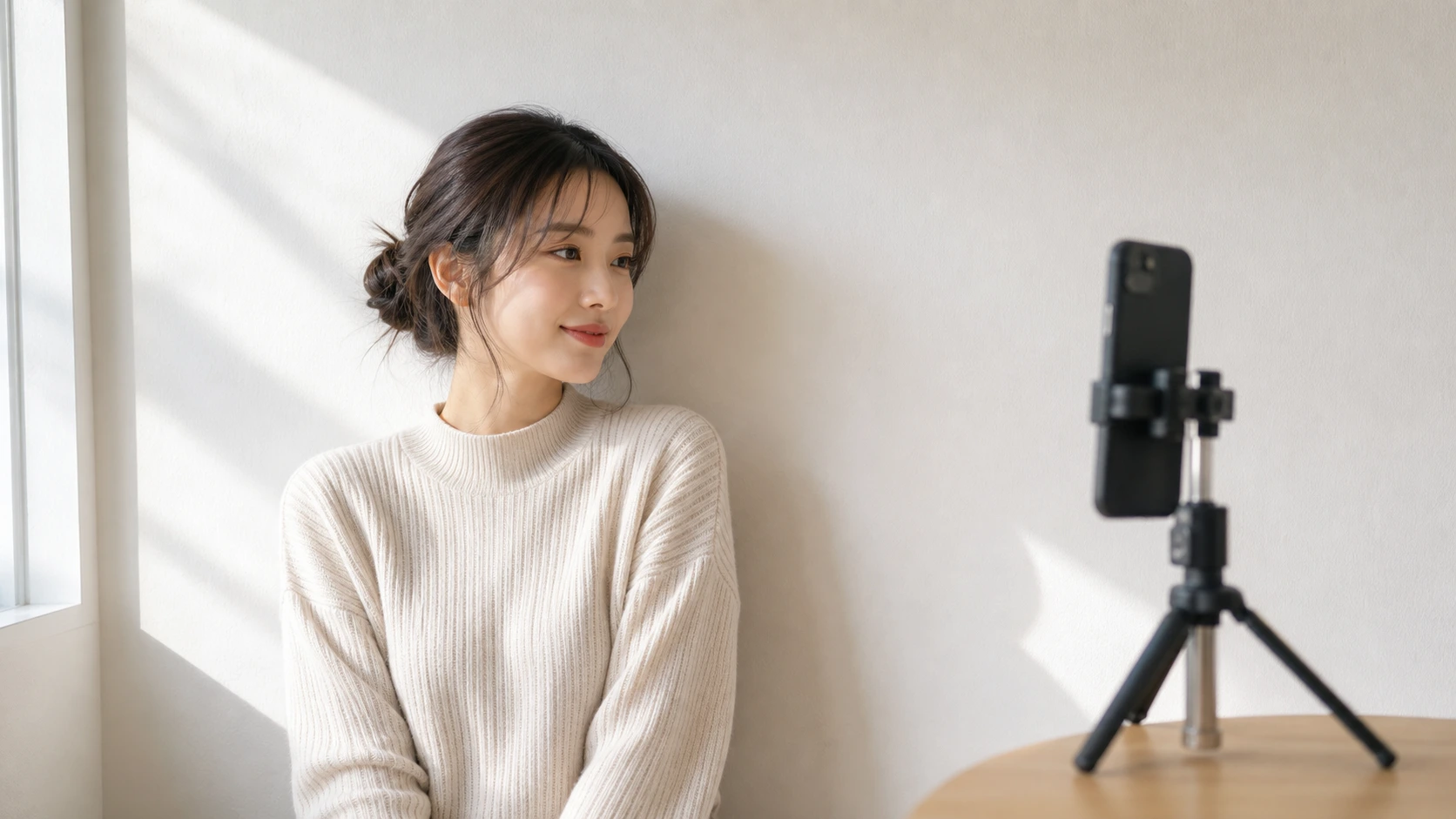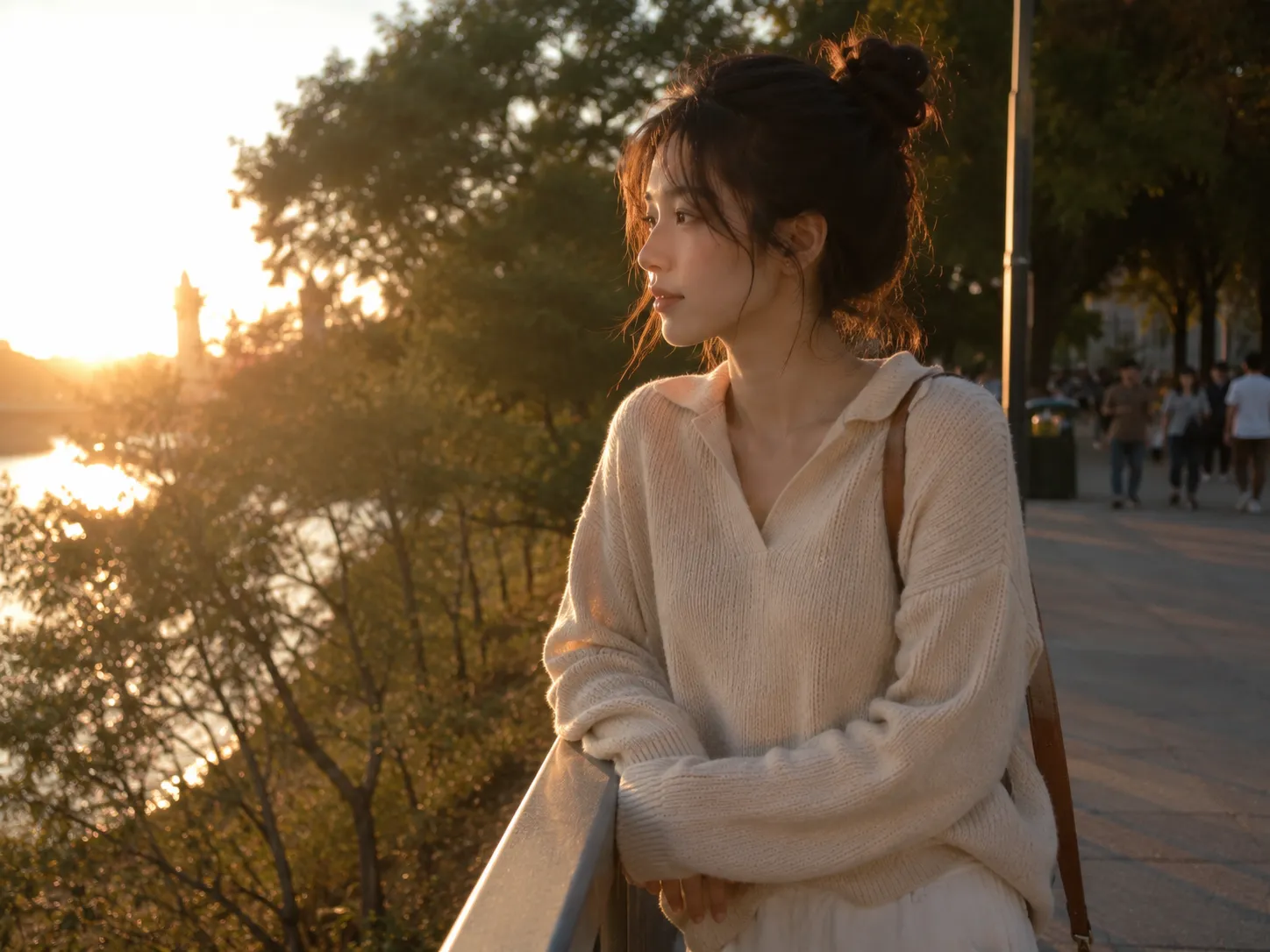
How to Find Your Best Angle in Photos Without Guessing
Learn how camera height, face direction, shoulder angle, distance, and background choices can help you find photo angles that feel natural.
By Pajoox Editorial Team · Jun 7, 2026
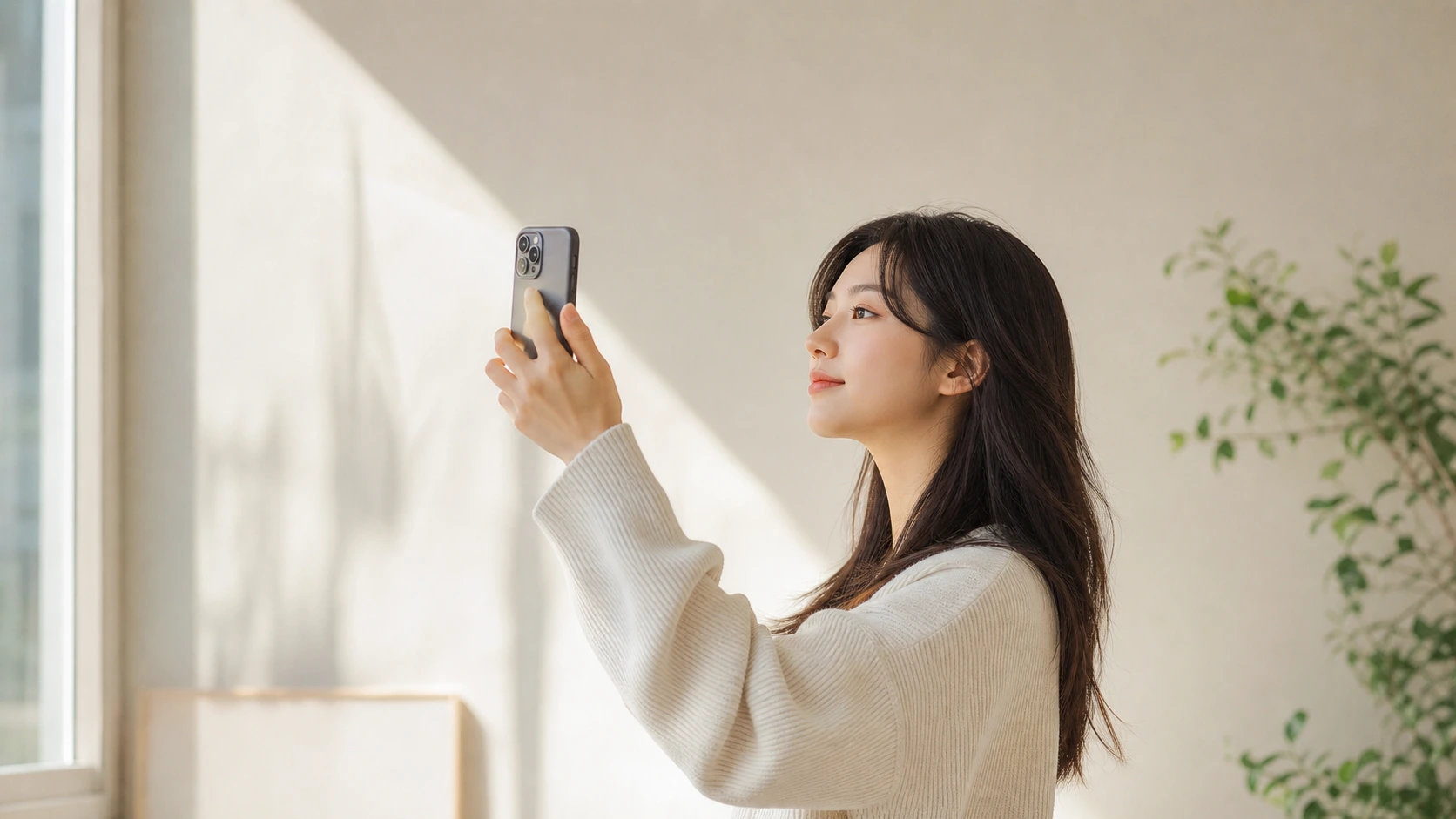
Finding your best angle is not about chasing one perfect version of yourself. It is about learning which camera positions, face turns, body angles, and framing choices make you feel comfortable and clear in photos. A good angle should still look like you. It should simply make the photo easier to read and help your expression, posture, and setting work together.
Most people only see themselves from a few angles: mirrors, video calls, and quick phone photos. That means it can take a little experimenting to understand what works on camera. The tips below are practical, low-pressure ways to explore your angles without turning the moment into a complicated photoshoot.
Start with camera height
Camera height changes the feeling of a photo immediately. A camera held slightly above eye level can feel friendly and familiar for selfies. A camera at eye level often feels honest and balanced, which makes it useful for profile pictures. A camera held lower can add presence, but it can also make the shot feel more dramatic, so it works best when the background and pose support that mood.
Try taking three quick photos from the same spot: one slightly above eye level, one at eye level, and one slightly below. Do not change your pose yet. Compare how each angle affects the mood of the image. You are not looking for a universal rule. You are looking for the height that fits the photo you want.
Turn your face a little at a time
A small face turn can completely change a photo. Start by looking directly at the camera. Then turn your face a little to the left, a little to the right, and finally look just past the lens. Notice which version feels most natural.
Many people prefer a slight turn because it creates dimension and prevents the photo from feeling too flat. But a straight-on photo can be great when you want the image to feel direct, open, and simple. The right choice depends on the use case: a casual selfie, a social profile, a travel photo, or an outfit shot may each call for a different angle.
Angle your shoulders, not only your face
If your face is turned but your shoulders stay square to the camera, the pose can feel unfinished. Try turning your shoulders slightly too. Even a small shoulder angle can make the whole photo look more relaxed.
One easy setup is to place one shoulder slightly closer to the camera and let the other fall back. Keep your neck comfortable and avoid forcing a twist. If the pose feels tense, reduce the angle. A good photo should not require holding an uncomfortable position.
Use distance to control the look
Phone cameras can change how a photo feels depending on distance. A very close selfie may feel intimate and casual, while a photo taken from a little farther away often includes more context and can feel more balanced. When possible, step back and use the main camera instead of stretching your arm too close to your face.
For profile pictures, ask someone to stand a little farther away and frame you from the chest up. For outfit photos, move the camera back enough to include your full look and some breathing room around your body. For travel photos, include enough background to show where you are without making yourself disappear in the scene.
Check the background before judging your angle
Sometimes you may think an angle is wrong when the real issue is the background. A pole behind your head, a bright object near the edge, or a cluttered space can make the photo feel off even if your pose is fine.
Before changing everything, move one step to the side. Try a cleaner wall, a window, a doorway, or a background with simple lines. The same angle can look much better when the composition supports it. This is why angle and composition should be considered together, not separately.
Match the angle to the purpose
Different photos need different angles. A LinkedIn-style profile picture may work best with eye-level framing, a calm expression, and a simple background. A travel photo may look better with a wider frame that shows the location. A casual selfie may feel more natural with a slightly higher camera and relaxed shoulders. An outfit photo may need a full-body frame from a distance that shows the clothing clearly.
Instead of asking, “What is my one best angle?” try asking, “What angle works for this photo?” That question gives you more freedom. It also helps you avoid repeating the same pose in every situation.
Build a small angle library
The easiest way to learn your angles is to collect examples. Take a few photos in different settings and note what you like about them. Maybe you prefer eye-level profile photos, a slight face turn for selfies, or a walking pose for street photos. Over time, you will have a small personal library of choices.
You do not need to save only perfect pictures. Save photos that teach you something: a good camera height, a comfortable pose, a clean background, or a framing choice you want to repeat. These references make future photos faster and less stressful.
How Pajoox can help
Pajoox helps you move from guessing to choosing. When you need a better angle, Pajoox can support the process with practical pose and composition guidance, including AI-powered suggestions that help you explore camera height, body direction, and framing ideas. It is not about changing who you are in the photo. It is about giving you more options so you can find a shot that feels natural for the moment.
Finding your angle takes a little practice, but it does not have to be complicated. Start with camera height, turn your face and shoulders gently, check the background, and match the angle to the purpose of the photo. Small experiments can make your next shot feel much more intentional.