Welcher Winkel passt? Tipps für bessere Fotos vom Partner
Mit einfachen Tipps zu Kamerawinkel, Abstand und Bildaufbau gelingen dir natürlichere und ausgewogenere Fotos von deinem Partner oder deiner Partnerin.
Von Pajoox-Redaktion · 03.07.2026
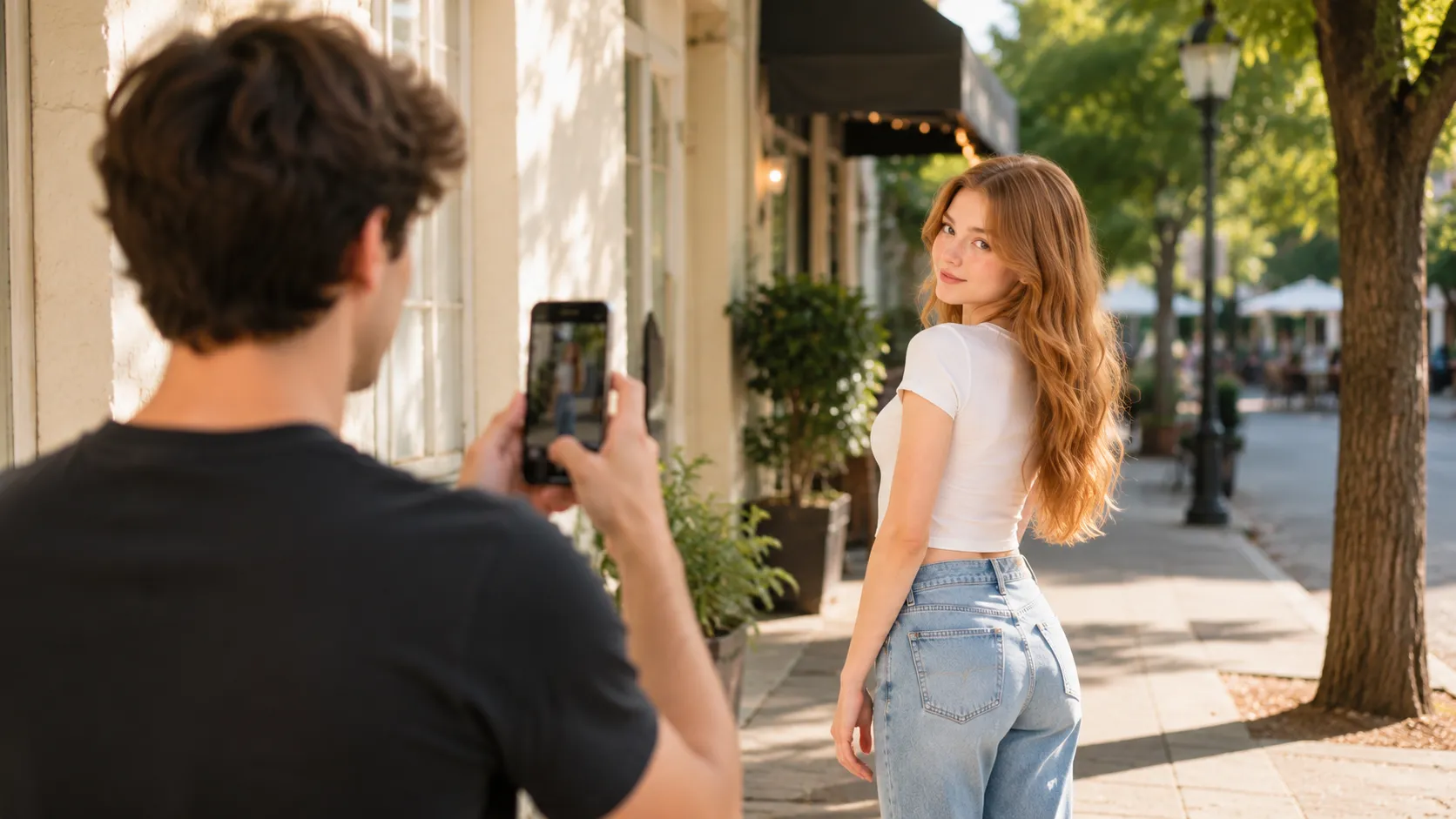
Wenn du deinen Partner oder deine Partnerin fotografierst, ist die Pose nur die halbe Aufnahme. Der Kamerawinkel entscheidet darüber, wie die Umgebung wirkt, was zuerst auffällt und ob das Foto locker, ausgewogen oder unbeabsichtigt ungünstig aussieht.
Die gute Nachricht: Für bessere Fotowinkel brauchst du keine fortgeschrittenen Kenntnisse. Die meisten Partnerfotos lassen sich schon verbessern, indem du deinen Standort veränderst, das Smartphone höher oder tiefer hältst, den Hintergrund aufräumst und einen Bildausschnitt wählst, der zum Moment passt.
Falls du dich häufig fragst, wo du beim Fotografieren stehen sollst, helfen dir diese einfachen Tipps zu Kamerawinkel und Bildaufbau.
Geh einen Schritt zurück, bevor du näher heranzoomst
Ein häufiger Fehler besteht darin, zu nah an der Person zu stehen und trotzdem alles in den Bildausschnitt bringen zu wollen. Dadurch kann das Foto beengt und unruhig wirken. Geh stattdessen zunächst etwas zurück. Gib deinem Partner oder deiner Partnerin genügend Platz im Bild und entscheide anschließend, ob du ein Ganzkörperfoto, ein Halbporträt oder eine nähere Aufnahme machen möchtest.
Ein größerer Abstand hilft dir auf mehrere Arten:
- Du kannst mehr von der Umgebung zeigen.
- Du vermeidest ungünstige Schnitte an Füßen, Händen oder Ellbogen.
- Die Person hat mehr Platz, um sich zu bewegen.
- Du erkennst störende Elemente im Hintergrund, bevor du das Foto machst.
Bewege dich danach ein wenig nach links oder rechts. Schon ein kleiner Schritt zur Seite kann einen Mülleimer, ein überfülltes Schild, eine fremde Person oder eine störende Linie aus dem Hintergrund entfernen.
Fotografiere natürliche Porträts auf Augenhöhe
Für nähere Porträts ist die Augenhöhe meist ein guter Ausgangspunkt. Halte das Smartphone ungefähr auf Augenhöhe der fotografierten Person oder nur leicht darüber. Dadurch wirken Gesicht und Schultern natürlich, ohne dass die Aufnahme unnötig dramatisch erscheint.
Porträts auf Augenhöhe eignen sich gut für:
- Fotos im Café.
- Porträts auf Reisen.
- Mögliche Profilbilder.
- Lockere Fotos bei einem Date.
- Einfache Erinnerungen aus dem Alltag.
Nachdem du eine verlässliche Aufnahme auf Augenhöhe gemacht hast, kannst du eine zweite Variante aus einer etwas höheren oder leicht seitlichen Perspektive ausprobieren. Das erste Foto bietet eine sichere Option, das zweite sorgt für mehr Auswahl.
Nutze bei Ganzkörperfotos vorsichtig einen niedrigeren Winkel
Wenn du das Smartphone bei Ganzkörperfotos zu hoch hältst, kann der Bildausschnitt gestaucht wirken. Eine etwas niedrigere Position lässt Outfit und Umgebung häufig ausgewogener erscheinen. Entscheidend ist dabei das Wort „etwas“ – du brauchst keinen extrem niedrigen Kamerawinkel.
Halte das Smartphone etwa zwischen Hüft- und Brusthöhe. Richte es gerade aus, statt es stark nach oben zu neigen. Geh weit genug zurück, damit der ganze Körper zu sehen ist, und lass etwas Platz über dem Kopf und unter den Füßen.
Eine einfache Checkliste für Ganzkörperfotos:
- Smartphone im Hochformat für Outfit- oder Straßenfotos.
- Kamera möglichst gerade ausgerichtet.
- Ganzer Körper im Bild, ohne die Füße abzuschneiden.
- Linien im Hintergrund so ruhig und gerade wie möglich.
- Person leicht außerhalb der Bildmitte, wenn die Umgebung räumliche Tiefe bietet.
Das ist besonders bei Straßenfotos, Outfit-Aufnahmen und Reisefotos hilfreich, auf denen auch der Ort eine wichtige Rolle spielt.
Lass die Person leicht zur Seite stehen, statt immer frontal zu fotografieren
Frontale Fotos können gut funktionieren, wirken aber schnell steif, wenn jede Aufnahme aus demselben Winkel entsteht. Bitte deinen Partner oder deine Partnerin, die Schultern leicht zur Seite zu drehen und das Gesicht anschließend wieder etwas zur Kamera zu wenden. Das erzeugt mehr Tiefe und lässt die Pose weniger flach wirken.
Du kannst diese Haltung mit einfachen Bewegungen verbinden:
- Den Träger einer Tasche halten.
- Über eine Schulter schauen.
- Einen kleinen Schritt nach vorn machen.
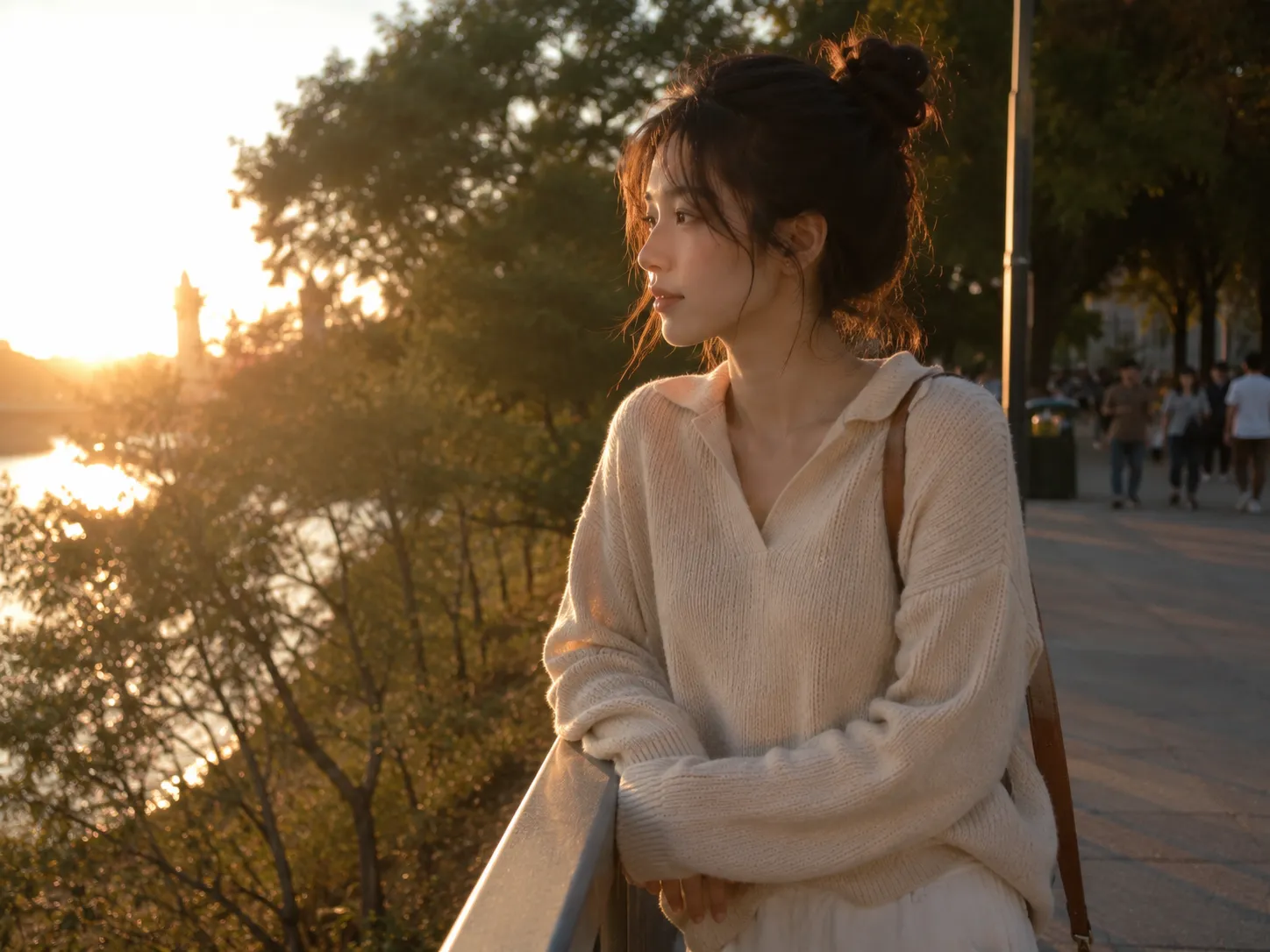
- Sich locker an ein Geländer lehnen.
- Eine Jacke oder einen Ärmel richten.
Der Kamerawinkel sollte zur Pose passen. Wenn sich der Körper leicht dreht, positioniere dich so, dass diese Haltung im Bild sichtbar bleibt und nicht durch eine ungünstige Perspektive wieder flach erscheint.
Achte auf den Hintergrund hinter dem Kopf
Eine der einfachsten Möglichkeiten, ein Foto zu verbessern, besteht darin, den Bereich direkt hinter dem Kopf zu prüfen. Pfosten, Schilder, Äste, helle Gegenstände oder auffällige Linien können selbst eine gute Pose unruhig wirken lassen.
Halte vor der Aufnahme kurz inne und schau dir den Hintergrund an. Wenn etwas ablenkt, verändere zunächst deinen eigenen Standort. Schon eine kleine Bewegung kann den störenden Gegenstand zur Seite verschieben oder hinter einem ruhigeren Bereich verbergen.
Das ist wichtiger, als es zunächst scheint, denn der Blick fällt meist zuerst auf das Gesicht. Ein aufgeräumter Bereich rund um den Kopf lässt das Foto ruhiger und bewusster gestaltet wirken.
Nutze Linien, die den Blick durch das Bild führen
Straßen, Geländer, Gebäudekanten, Treppen, Brücken, Wege oder Lichtreihen bilden natürliche Linien in der Umgebung. Sie können den Blick durch das Foto führen und ihm mehr Struktur geben.
Stell dich so hin, dass diese Linien auf deinen Partner oder deine Partnerin zulaufen oder hinter der Person räumliche Tiefe erzeugen. Bitte sie, neben einer solchen Linie zu gehen, zu stehen oder sich dort anzulehnen, statt sie vollständig zu verdecken.
Geeignete Orte dafür sind:
- Straßen in der Stadt.
- Hotelflure.
- Bahnsteige.
- Wege im Park.
- Brücken und Uferpromenaden.
- Treppen.
Du musst dieses Prinzip während des Fotografierens nicht erklären. Achte einfach auf vorhandene Linien und nutze sie, damit der Bildaufbau geordneter wirkt.
Wähle einen Winkel, der zur Geschichte des Fotos passt
Unterschiedliche Bildausschnitte erzählen unterschiedliche Geschichten. Eine weite Aufnahme zeigt vor allem den besuchten Ort. Ein Ganzkörperfoto stellt Outfit und Situation in den Mittelpunkt. Bei einem nahen Porträt geht es um den Gesichtsausdruck. Eine seitliche, spontan wirkende Aufnahme vermittelt, dass der Moment gerade natürlich entstanden ist.
Frag dich vor dem Fotografieren, worum es auf dem Bild hauptsächlich geht:
- Um die Person?
- Um das Outfit?
- Um den Ort?
- Um die Stimmung?
- Um euch beide zusammen?
Sobald du das weißt, fällt die Wahl des Winkels leichter. Wenn der Ort wichtig ist, geh weiter zurück. Wenn es um den Ausdruck geht, komm näher. Wenn das Outfit im Mittelpunkt steht, zeige den ganzen Körper in einem ruhigen Bildausschnitt. Wenn du die Stimmung festhalten möchtest, beziehe Bewegung und Gesichtsausdruck ein.
Fotografiere mehrere Winkel in einer einfachen Reihenfolge
Statt lange nach einem einzigen perfekten Winkel zu suchen, kannst du eine kurze Serie aufnehmen:
- Eine weite Aufnahme der Umgebung.
- Ein Ganzkörperfoto im Hochformat.
- Ein Halbporträt.
- Ein nahes Porträt.
- Eine spontane Aufnahme in Bewegung.
Das dauert meist weniger lang als ausgiebiges Überlegen und gibt deinem Partner oder deiner Partnerin mehr Auswahl. Das beste Foto ist häufig nicht die Aufnahme, mit der du gerechnet hast.
Wie Pajoox bei der Wahl des Winkels helfen kann
In einer echten Umgebung kann die Wahl des passenden Kamerawinkels schwierig sein, weil sich die Situation schnell verändert. Menschen laufen vorbei, das Licht wechselt und der Hintergrund sieht auf dem Smartphone-Display möglicherweise anders aus als mit bloßem Auge.
Pajoox hilft bei der Planung besserer Aufnahmen mit Posenideen, Hinweisen zu Kamerawinkeln und Vorschlägen zum Bildaufbau. Die KI-gestützte Hilfe kann praktische Möglichkeiten für die aktuelle Umgebung aufzeigen – etwa, wo die Person stehen könnte, wie du den Bildausschnitt wählst und welche Pose zur Situation passen kann.
Der Vorteil besteht nicht darin, dass die KI das Foto für dich aufnimmt. Sie hilft dir, schneller eine passende Richtung zu finden, damit du dich darauf konzentrieren kannst, den echten Moment angenehm und so festzuhalten, dass ihr das Foto gern behaltet.
Eine kurze Checkliste für bessere Partnerfotos
Prüfe vor dem Auslösen:
- Stehe ich zu nah an der Person?
- Passt die Höhe des Smartphones zu dieser Aufnahme?
- Ist die Kamera zu stark geneigt?
- Befindet sich etwas Ablenkendes hinter dem Kopf?
- Zeigt der Bildausschnitt die Person, den Ort oder die Stimmung deutlich?
- Habe ich mindestens zwei verschiedene Winkel ausprobiert?
Bessere Fotos von deinem Partner oder deiner Partnerin entstehen durch kleine Entscheidungen. Geh einen Schritt zur Seite, halte das Smartphone etwas höher oder tiefer, achte auf einen ruhigen Hintergrund und probiere einen sicheren sowie einen etwas kreativeren Winkel aus. Diese einfachen Anpassungen können deine Fotos natürlicher, durchdachter und erinnerungswürdiger wirken lassen.