Road Trip Photo Ideas for Scenic Stops and Car Rides
Try natural road trip photo ideas for scenic stops, car rides, roadside diners, and small-town moments, with simple posing and framing tips.
By Pajoox Editorial Team · Jul 24, 2026
Road trips are not only about the destination. Some of the best memories happen at a quiet viewpoint, beside a roadside diner, during a fuel stop, or while watching the landscape change through the window.
The challenge is that road trip photos can quickly feel repetitive. You may take the same picture beside the car at every stop, or focus only on the final destination and forget the journey itself.
The most useful road trip photo ideas mix people, places, and small details. You do not need to stage a full photoshoot. Stop somewhere safe, choose one simple action, and let the car, road, and scenery help tell the story.
Plan a Few Photo Moments
A road trip is easier to photograph when you decide on a few types of images before leaving.
Try to capture:
- one wide scenic stop
- one photo with the parked car
- one candid passenger moment
- one roadside food or travel detail
- one sunset or evening scene
This gives the trip a visual rhythm without turning every stop into a photoshoot. Keep the plan flexible, because unexpected locations may offer better pictures than the places you saved in advance.
Use Designated Scenic Stops
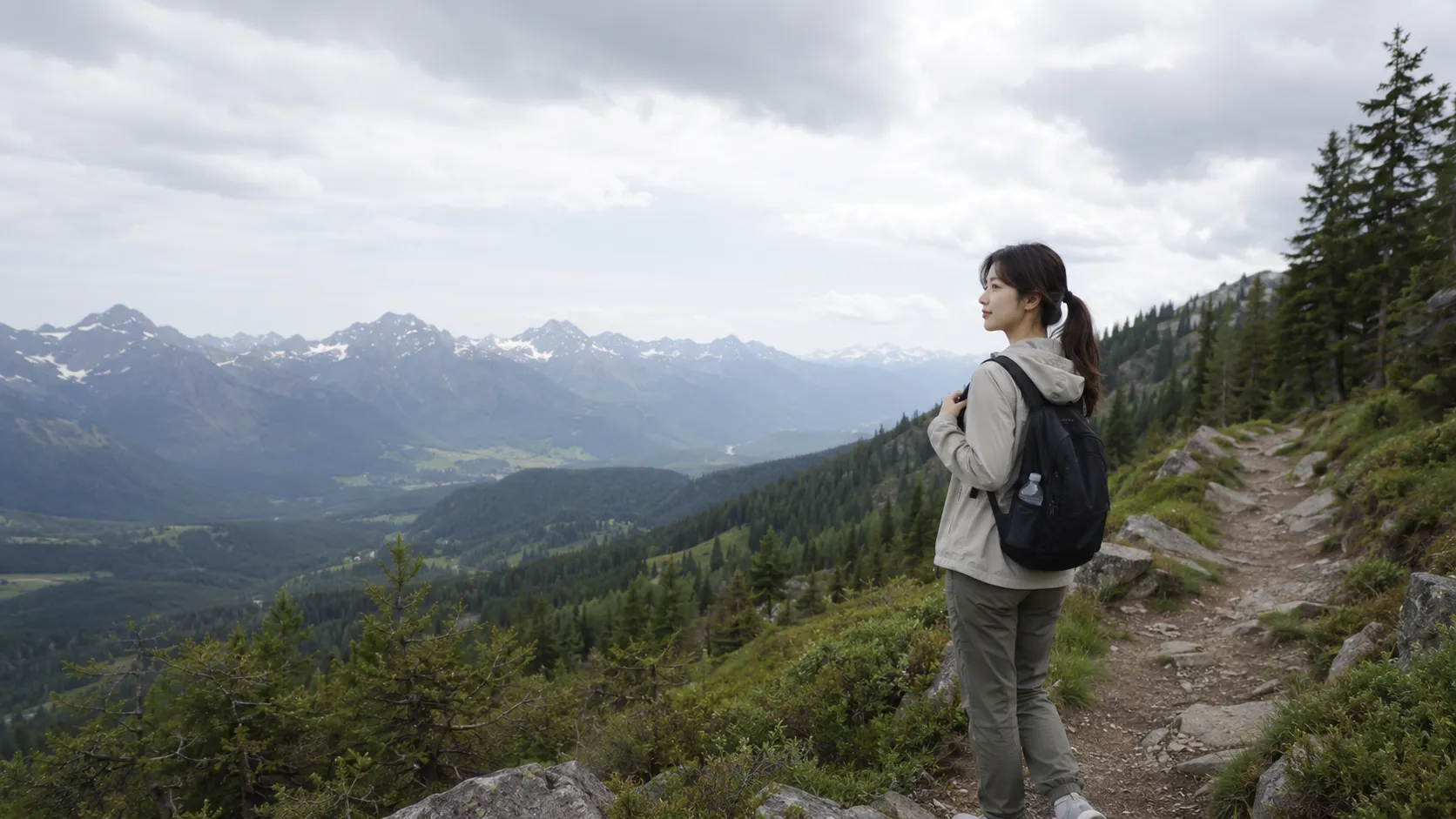
Viewpoints, rest areas, visitor centers, and parking areas are usually the best places for road trip portraits.
Park fully in a permitted space before taking out the phone. Look for a clear view, a safe walking area, and enough distance to include both the person and the landscape.
At a scenic stop, try:
- walking toward the viewpoint
- looking out at the landscape
- turning back toward the camera
- sitting on a visitor bench
- standing beside a permitted railing
Start with a wide photo that shows the place, then move closer for a more personal portrait.
Take a Natural Photo Beside the Car
A parked car can make the road trip setting clear, but the pose does not need to feel like a vehicle advertisement.
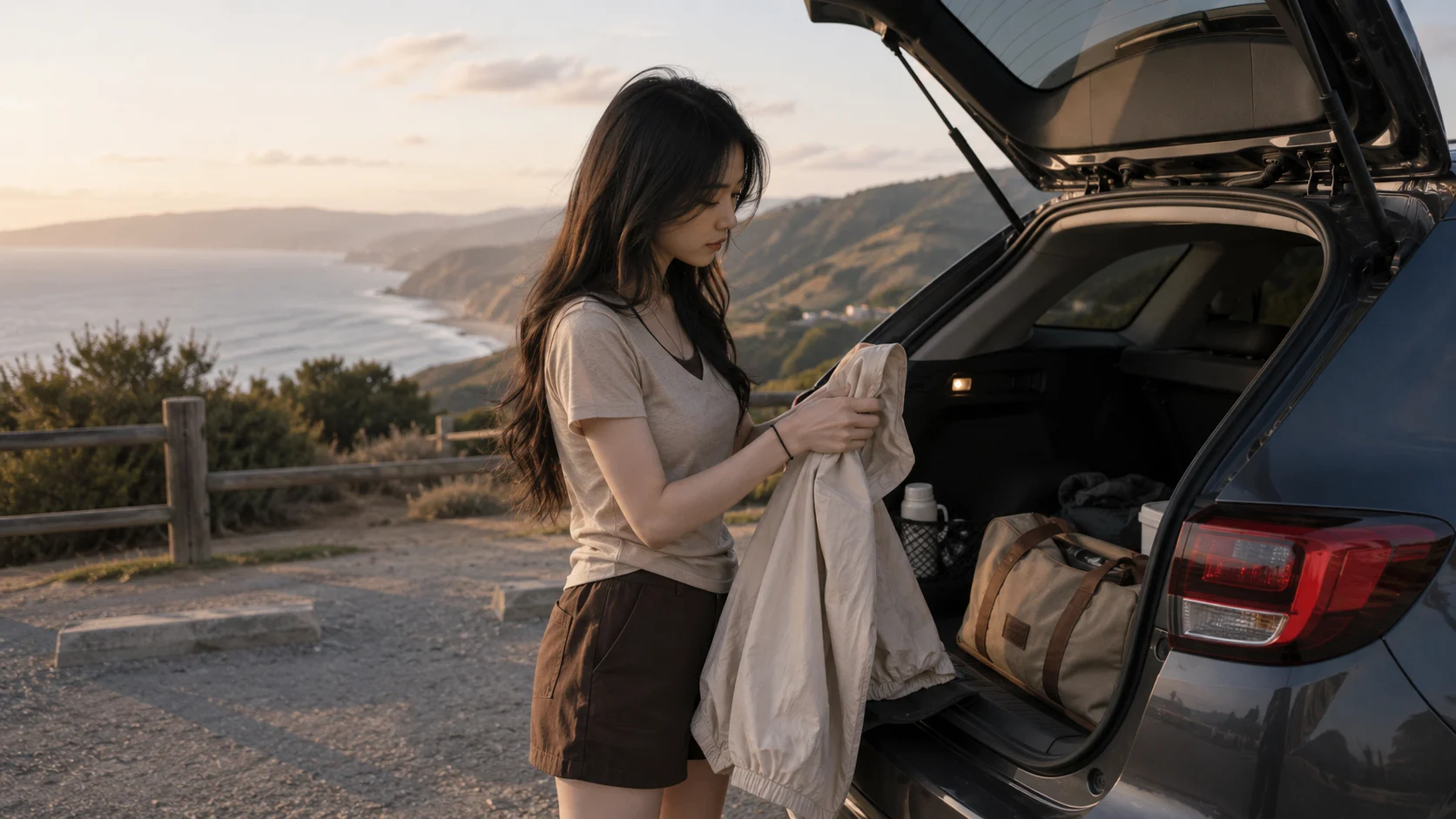
Try standing beside a closed door, leaning lightly near the side of the car, or walking away from the vehicle toward the view. You can also open the trunk while safely parked and photograph someone arranging a bag, jacket, or picnic item.
Keep the vehicle fully off the road. Avoid sitting on the roof, hood, or window frame, and never create a setup that places someone near moving traffic.
Frame a Passenger Through the Window
A car window creates a natural frame when the vehicle is safely parked.
Photograph from outside while the passenger looks through the window. Reflections can add sky, trees, or nearby buildings to the image.
Ask the passenger to look at the view, adjust sunglasses, check a map, or talk to someone in another seat. Move the phone slightly if the glass reflects the photographer or distracting objects.
Capture the Journey From the Passenger Seat
When the vehicle is moving, the driver should focus only on driving. Any photos must be taken by a passenger without distracting them.
A passenger can capture the landscape through a side window or changing weather. Keep the phone and arms inside the vehicle. Do not lean out of windows or ask the driver to look at the camera, slow down, or repeat a moment for a photo.
If window glare is distracting, move the phone closer to the glass without blocking mirrors or the driver’s view.
Use Roadside Signs Safely
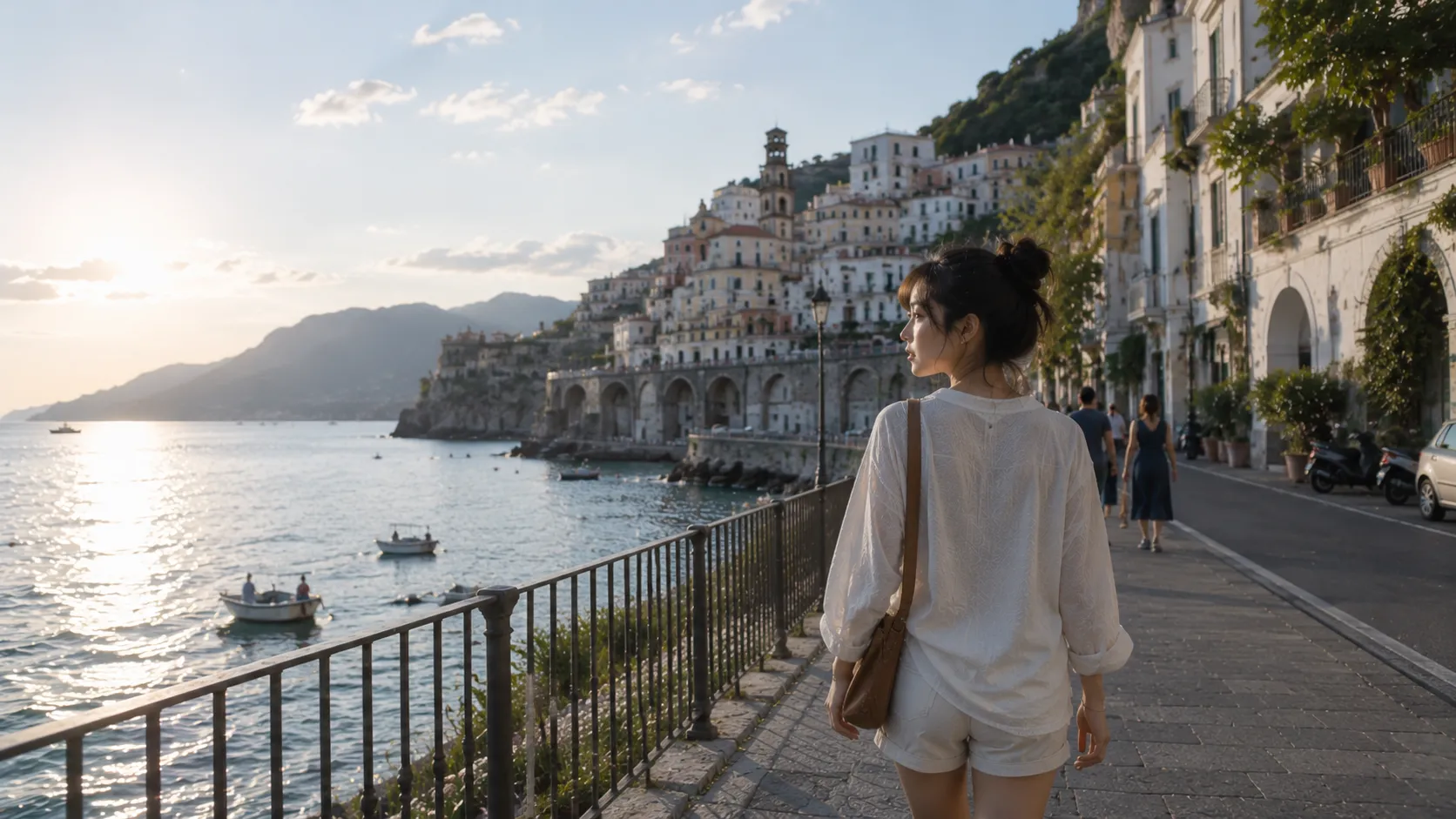
Welcome signs, route markers, and town names help identify where a photo was taken.
Use them only when there is a legal parking area and a safe pedestrian space nearby. Stand beside the sign rather than in a traffic lane or on a narrow shoulder.
You can point toward the place name, look up at the sign, stand slightly to one side, or take a wider photo that includes the surroundings. When parking or access feels uncertain, skip the shot and choose another stop.
Photograph Small Road Trip Details
Not every picture needs a full pose. Small details help connect the major stops:
- a map or saved route
- drinks and snacks at a rest area
- luggage in the open trunk
- a motel key card
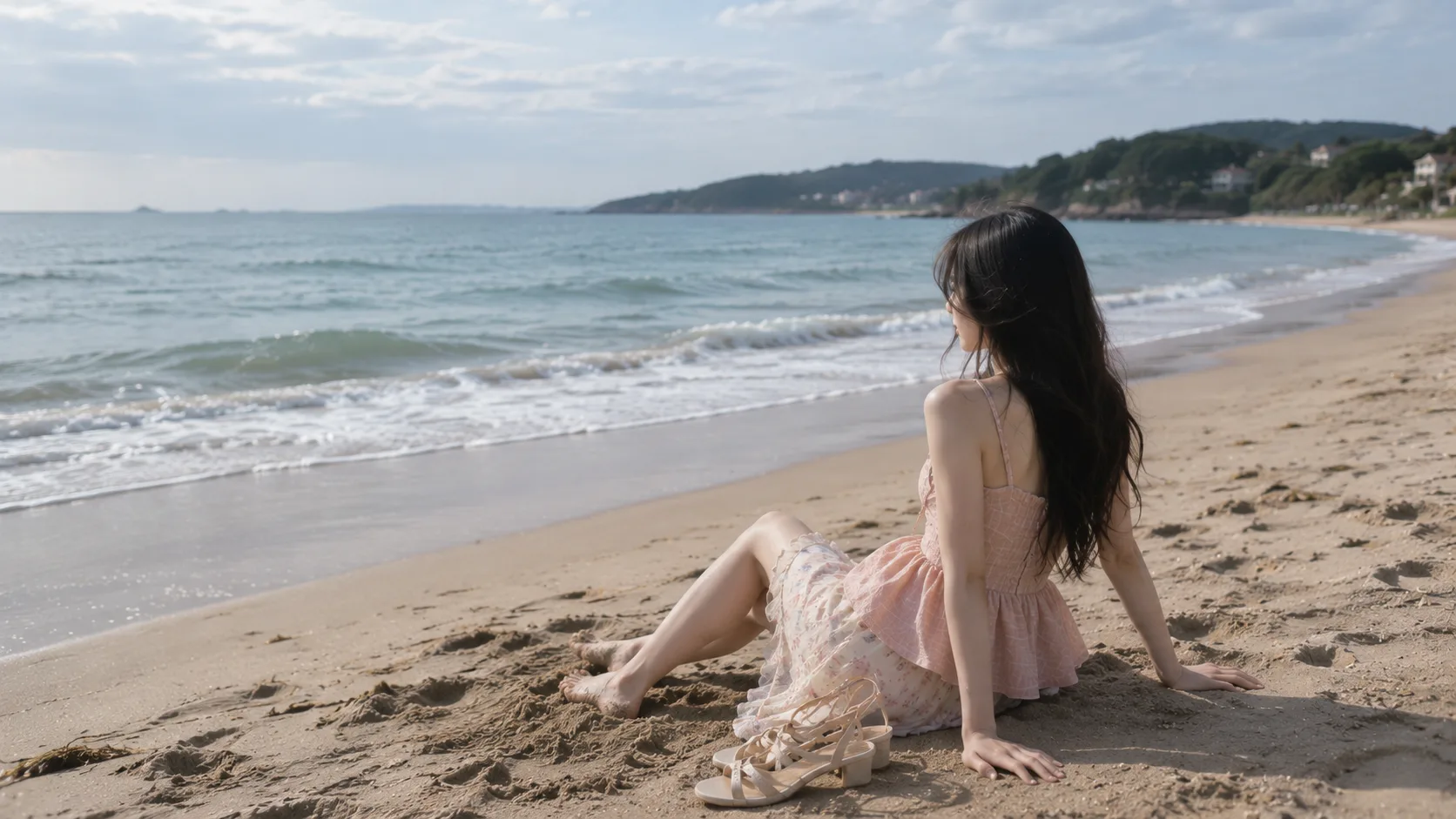
- shoes beside a viewpoint
- a local takeaway cup
- sunlight across the car interior while parked
These images add variety and make the final set feel like a journey rather than a collection of portraits.
Stop at a Diner or Small Town
Roadside diners, cafes, and small-town streets can add personality to a road trip album.
Look for an outdoor table, a colorful wall, a window seat, or a storefront that reflects the local setting. Use natural actions such as reading the menu, holding a drink, walking past the entrance, or looking through the window.
Avoid blocking entrances or fuel pumps, and ask permission when a location has photography rules.
Use Golden Hour at the Final Stop
The last stop before sunset can produce some of the strongest road trip photos.
Place the person so the low sun comes from the side or behind them. Try a walking photo beside the parked car, a wide landscape with the person looking away, or a silhouette against the sky.
Tap the person or sky to adjust exposure, depending on whether you want facial detail or a darker silhouette.
Keep the Composition About the Journey
Road trip photos feel strongest when the surroundings remain recognizable.
Use roads, fences, car windows, signs, and landscape lines to guide attention toward the person. Leave space in the direction someone is walking or looking, and avoid covering the most important part of the view.
Before changing the pose, move the phone farther back, slightly lower, or to one side. Small camera movements can create more variety than repeating many poses.
Find an Idea That Fits the Stop
A coastal viewpoint, mountain road, desert rest area, roadside diner, and small-town street do not offer the same light or mood.
Before taking the photo, ask:
- What makes this stop different?
- Is the car, landscape, sign, or person the main focus?
- Is there a safe action already happening?
- Would a wide, medium, or detail photo tell the story best?
- Where can the photographer stand safely?
Pajoox helps you explore pose ideas, phone angles, composition guidance, and visual references based on the real scene in front of you. Instead of using one road trip pose at every stop, you can begin with the location and find an idea that fits the moment.
Final Thoughts
The best road trip photo ideas capture more than a parked car and a destination sign. They show the changing scenery, the people inside the journey, and the small stops that made the trip memorable.
Use designated stopping areas, keep poses simple, and photograph a mix of wide views, portraits, and details. Most importantly, never let a photo distract the driver or place anyone near moving traffic.
A road trip already gives you a story. The camera only needs to notice it.