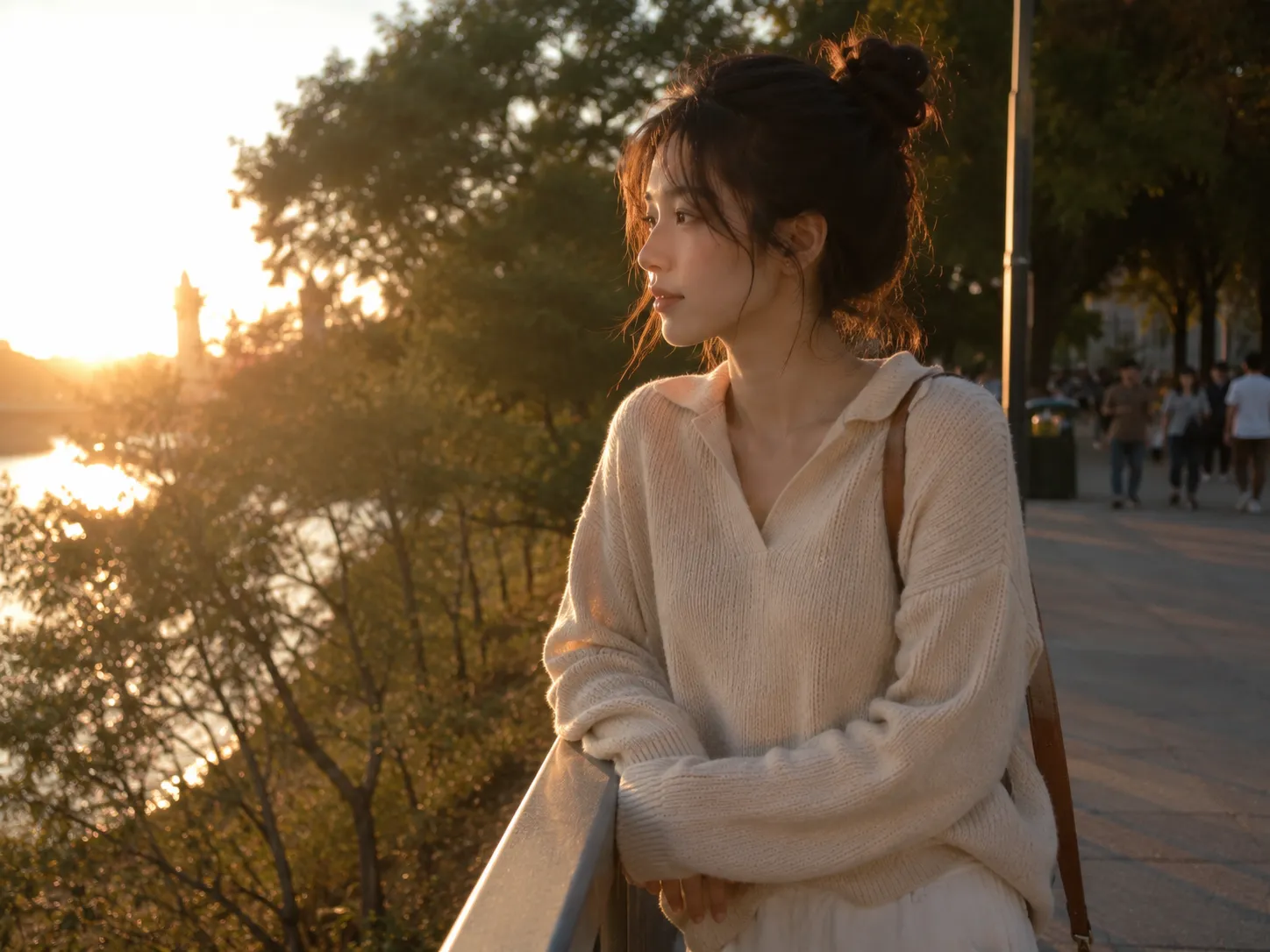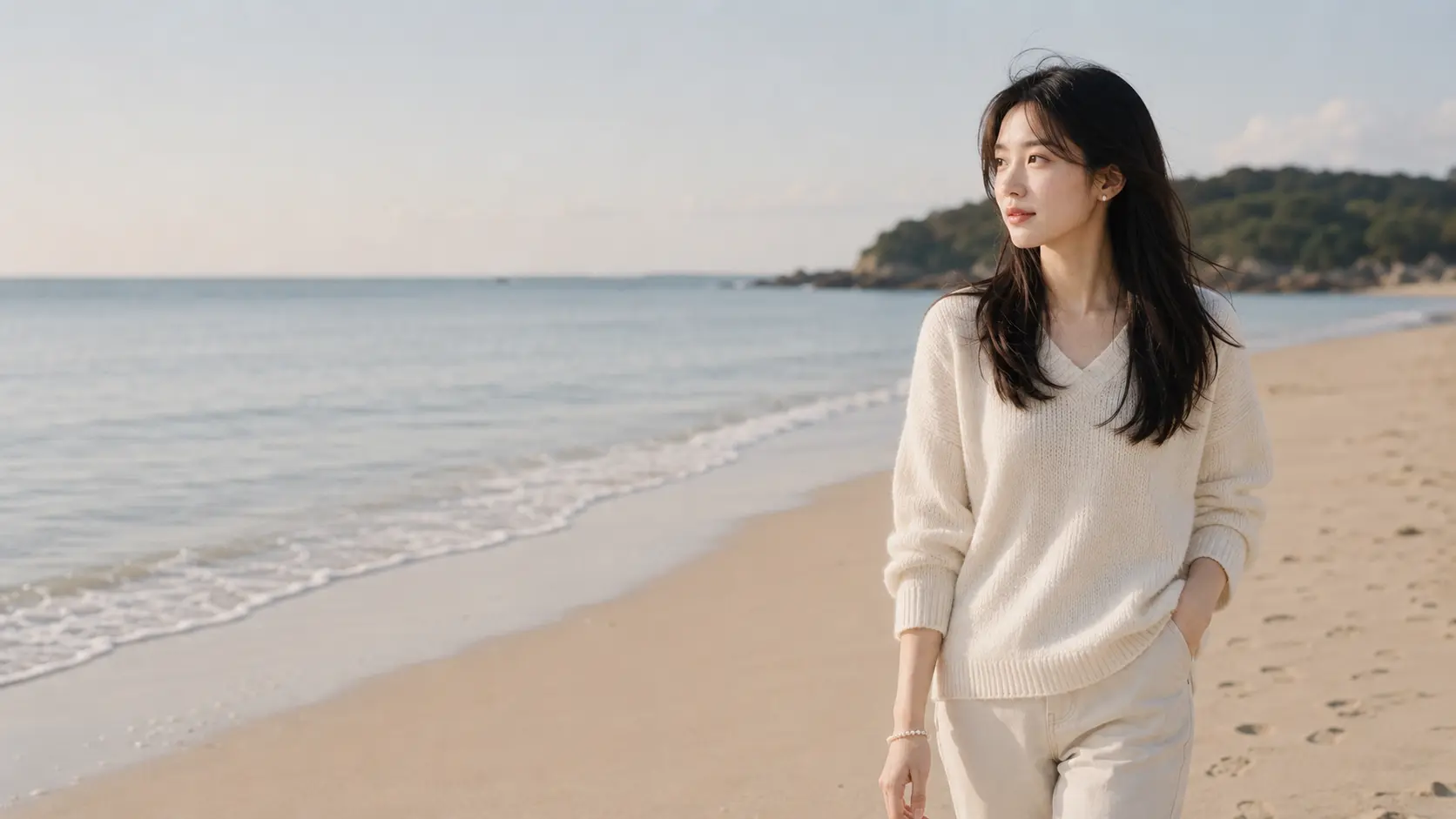
Best Selfie Angles: How to Hold Your Phone for Natural Photos
Learn the best selfie angles, phone positions, and simple composition tips to take more natural-looking selfies with your phone.
By Pajoox Editorial Team · Aug 12, 2026

Taking a good selfie is not just about having the latest phone camera. Sometimes the difference between an awkward photo and a natural-looking one comes down to something much simpler: how you hold your phone.
A small change in camera height, distance, or angle can completely change the feeling of a selfie. The same person can look very different depending on where the phone is placed and how the scene is framed.
If your selfies often feel too close, too flat, or somehow different from how you look in real life, the problem may not be your camera. It may simply be the angle.
Understanding a few basic selfie angles can help you take photos that feel more natural, whether you are capturing an everyday moment, a travel memory, a cafe photo, or a new profile picture.
Why Your Selfie Angle Changes the Whole Photo
Your phone camera is not just recording your face. It is creating a perspective.
When the camera is very close, especially with a wide-angle phone lens, small changes in distance can affect how the photo looks. Selfies are often taken closer than normal portraits, which is why perspective and camera position matter so much.
Many people take selfies using the same setup every time:
- holding the phone at the same height
- using the same facial expression
- standing in the same position
- ignoring the background
The result is often a photo that feels repetitive.
A better selfie usually comes from adjusting three things:
- where you hold your phone
- how far away the camera is
- how you include the environment around you
The goal is not to find one perfect angle. The goal is to find an angle that fits the moment.
Try Holding Your Phone Slightly Above Eye Level
One of the most common selfie techniques is holding your phone slightly above eye level.
This does not mean raising your phone as high as possible. Extreme angles can make a photo feel unnatural.
Instead, try:
- moving the phone slightly higher than your eyes
- tilting it down a little
- keeping your shoulders relaxed
- looking naturally toward the camera
A small adjustment is often enough to create a more balanced composition.
The best height depends on the situation. A close-up selfie, a mirror photo, and a travel selfie may all need different positions.
Think of your phone angle as part of the composition, not just a way to capture your face.
Do Not Hold Your Phone Too Close
One of the biggest reasons selfies feel awkward is that the phone is too close.
When the camera is very near your face:
- your face takes up most of the frame
- the background disappears
- the photo can feel less connected to the moment
Try creating more distance between you and the camera.
A little extra space allows you to include:
- the place you are visiting
- your outfit
- interesting surroundings
- natural body movement
This is especially useful for travel and outdoor photos.
A selfie does not always need to be a close-up. Sometimes the environment is what makes the photo memorable.
Match Your Selfie Angle to Your Location
The best selfie angle depends on where you are.
A bedroom selfie, a street photo, and a vacation photo all tell different stories.
Everyday Indoor Selfies
For indoor selfies, focus on simplicity.
Try:
- facing a window for softer light
- avoiding busy backgrounds
- keeping the camera around eye level
- leaving some empty space in the frame
Small changes in position can make a normal room feel much more natural.
Travel Selfies
When you are traveling, the location is part of the photo.
Instead of filling the entire frame with your face, try showing more of the scene:
- interesting buildings
- landscapes
- streets
- local surroundings
Move yourself slightly away from the center and let the background become part of the story.
A good travel selfie should remind you where you were, not only what you looked like.
Street and Outdoor Selfies
Outdoor environments give you more possibilities.
You can use:
- city streets
- architecture
- sunlight and shadows
- interesting backgrounds
The challenge is deciding where to stand.
Sometimes moving a few steps to the left or right creates a much better photo than changing your expression.
Good photos are often about noticing the scene around you.
Change Your Phone Position Before Changing Your Pose
Many people think they need a better pose to improve their selfies.
But often, the easiest improvement is changing the camera position.
Try experimenting with:
Phone Height
Test different positions:
- slightly above eye level
- eye level
- lower angles
Each creates a different feeling.
Phone Distance
Try:
- close-up selfies
- upper-body photos
- wider scene photos
A wider frame often feels more natural because it shows more context.
Phone Direction
You do not always need to face the camera directly.
Small changes like turning your body slightly or looking toward the scene can make a photo feel more relaxed.
Pay Attention to Composition
A natural selfie is not only about your face. The whole frame matters.
Simple composition ideas:
- Keep your face away from the very edge of the frame.
- Avoid distracting objects behind you.
- Use natural light when possible.
- Leave enough space around your subject.
- Think about what you want the viewer to notice first.
A good photo guides attention naturally.
Sometimes the best selfie is not the closest one. It is the one where you and the environment work together.
Why Taking Photos in New Places Feels Difficult
Many people struggle with photos when they are in a new place.
You may know the location looks interesting, but still wonder:
- Where should I stand?
- Which direction should I face?
- What angle should I use?
- How much of the background should I include?
This happens because every scene has different possibilities.
A pose and camera angle that works at home may not work at a cafe, a street corner, or a travel destination.
The environment changes, so your photo approach should change too.
Find Better Photo Ideas Based on Your Scene
When you are already standing somewhere, the hardest part is often deciding what kind of photo to take.
Instead of trying random poses, it helps to think about the scene first.
Pajoox is designed around this idea: helping you discover photo ideas based on the environment in front of you.
It provides suggestions for:
- pose ideas
- phone angles
- composition approaches
- visual references
So before taking a photo, you can have a better idea of how to use the place around you.
Final Thoughts
The best selfie angles are not about following a strict rule.
A natural selfie usually comes from small improvements:
- holding your phone at a better height
- creating enough distance
- considering the background
- adjusting your angle for the scene
The next time you take a selfie, do not just press the camera button from the same position.
Move your phone slightly, look at the environment around you, and experiment.
Sometimes a small change in angle is all you need to create a photo that feels more like you.