Cómo tomar fotos naturales de alguien que se siente incómodo ante la cámara
Ayuda a quienes se sienten incómodos ante la cámara a relajarse con indicaciones suaves, poses sencillas, movimientos naturales y ángulos fáciles de aplicar.
Por Equipo editorial de Pajoox · 6 jul 2026
Fotografiar a alguien que se siente incómodo ante la cámara es muy diferente a fotografiar a una persona que disfruta posar. La idea no es pedirle una postura llamativa ni esperar que muestre seguridad de inmediato. Lo más importante es que la experiencia se sienta sencilla, respetuosa y sin demasiada presión.
Muchas personas se ven tensas en las fotos porque no saben qué hacer con las manos, hacia dónde mirar ni cuánto tiempo deben mantener una pose. Por eso, una foto natural empieza antes de presionar el botón. Empieza con una indicación clara, un lugar cómodo y una acción pequeña que resulte fácil de seguir.
Estos consejos pueden ayudarte a fotografiar con el teléfono a alguien que no se siente cómodo frente a la cámara, sin convertir el momento en una sesión rígida o agotadora.
Empieza con un momento cómodo
No comiences con un retrato directo. Si la persona ya está nerviosa, apuntarle de frente y pedirle que sonría puede hacer que se quede completamente rígida.
Empieza con una situación más casual en la que no tenga que mirar directamente a la cámara.
Algunas buenas primeras fotos pueden ser:
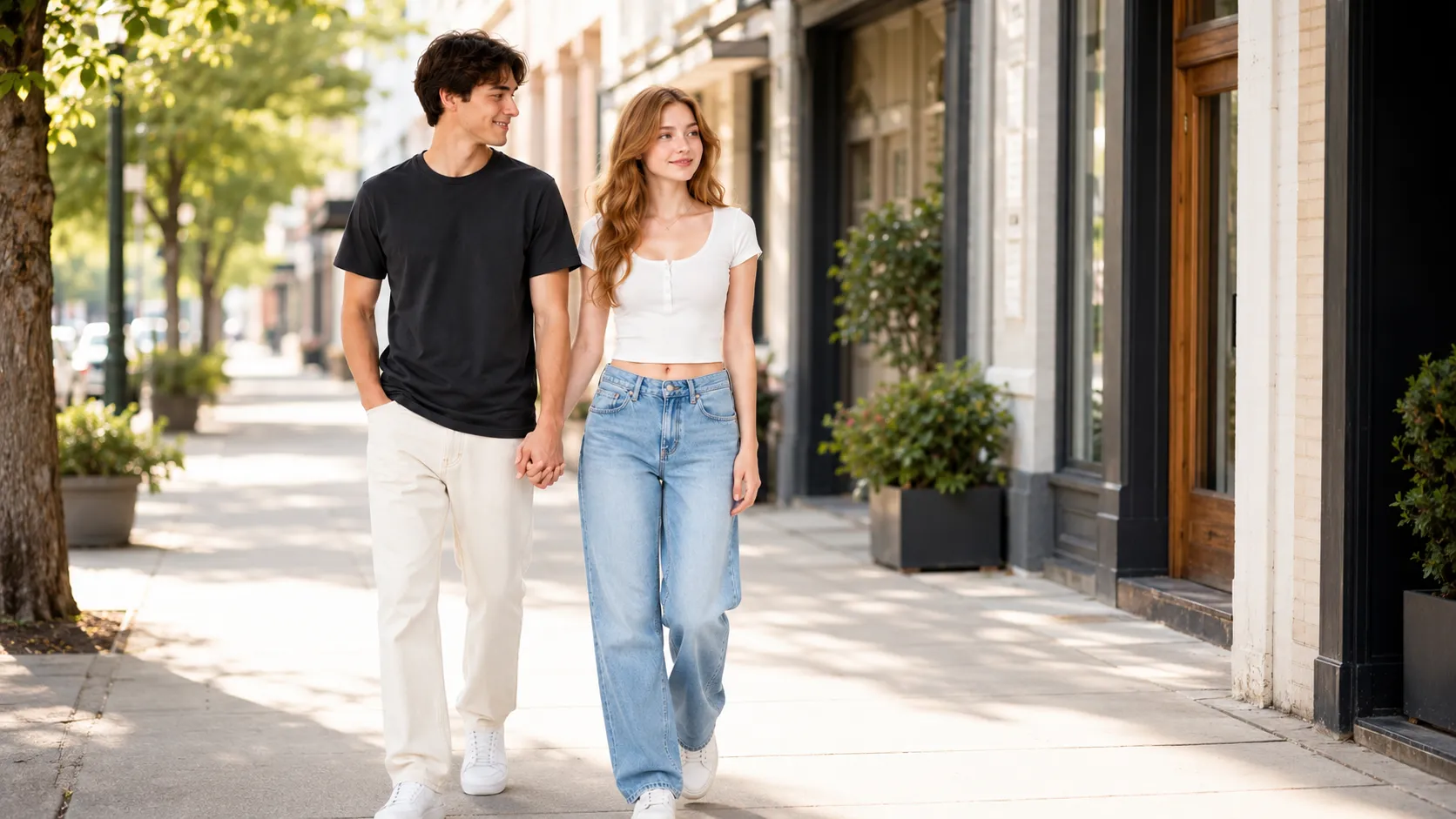
- Caminando despacio.
- Mirando el paisaje.
- Sosteniendo una bebida.
- Acomodándose la chaqueta.
- Observando algo que tiene en las manos.
- Sentada de forma natural en una mesa o un banco.
Estas acciones reducen la presión porque la persona tiene algo que hacer, en lugar de sentir que toda la atención está puesta sobre ella.
Da una sola indicación a la vez
Demasiadas instrucciones pueden hacer que una persona insegura frente a la cámara se vuelva todavía más consciente de cada movimiento.
Mantén las indicaciones breves y concretas. En lugar de decir:
Posa de forma natural.
Prueba algo más claro:
Sostén el café con una mano y mira hacia la ventana.
También puedes usar instrucciones como:
- Gira un poco los hombros.
- Mira ligeramente más allá de la cámara.
- Da un paso lento hacia adelante.
- Deja las manos sueltas.
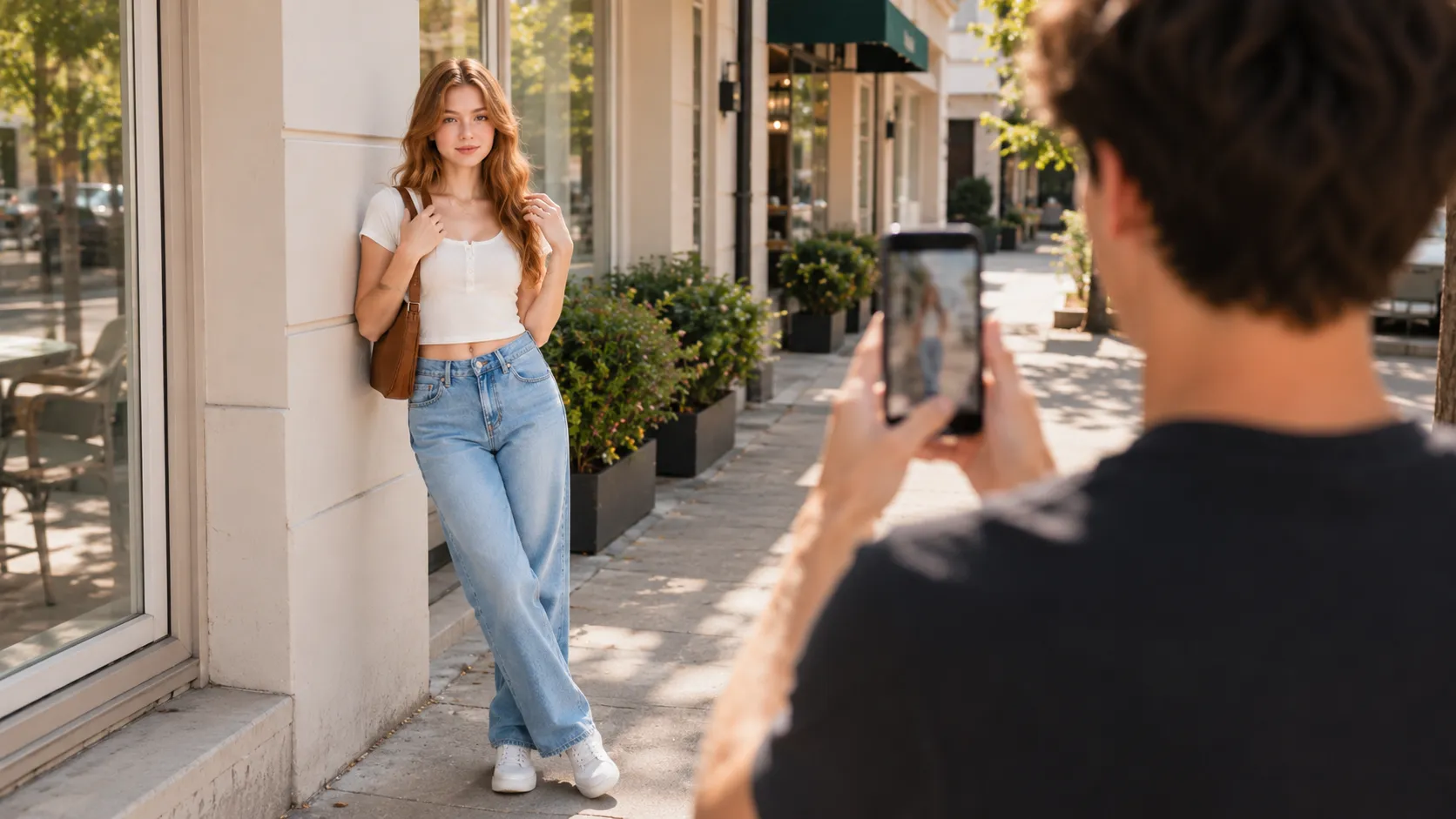
- Sujeta la correa del bolso.
- Mira hacia abajo y después levanta la mirada.
Una indicación sencilla le da algo específico en qué concentrarse. Cuando haga el movimiento, toma la foto y pasa a la siguiente idea. No le pidas que mantenga la misma postura durante demasiado tiempo.
Usa movimiento en lugar de poses estáticas
El movimiento es una de las formas más fáciles de conseguir fotos naturales de alguien que no disfruta posar.
Cuando una persona está caminando o realizando una acción, tiene menos tiempo para pensar demasiado en la posición de sus brazos, piernas o expresión.
Puedes pedirle que:
- Camine hacia la cámara.
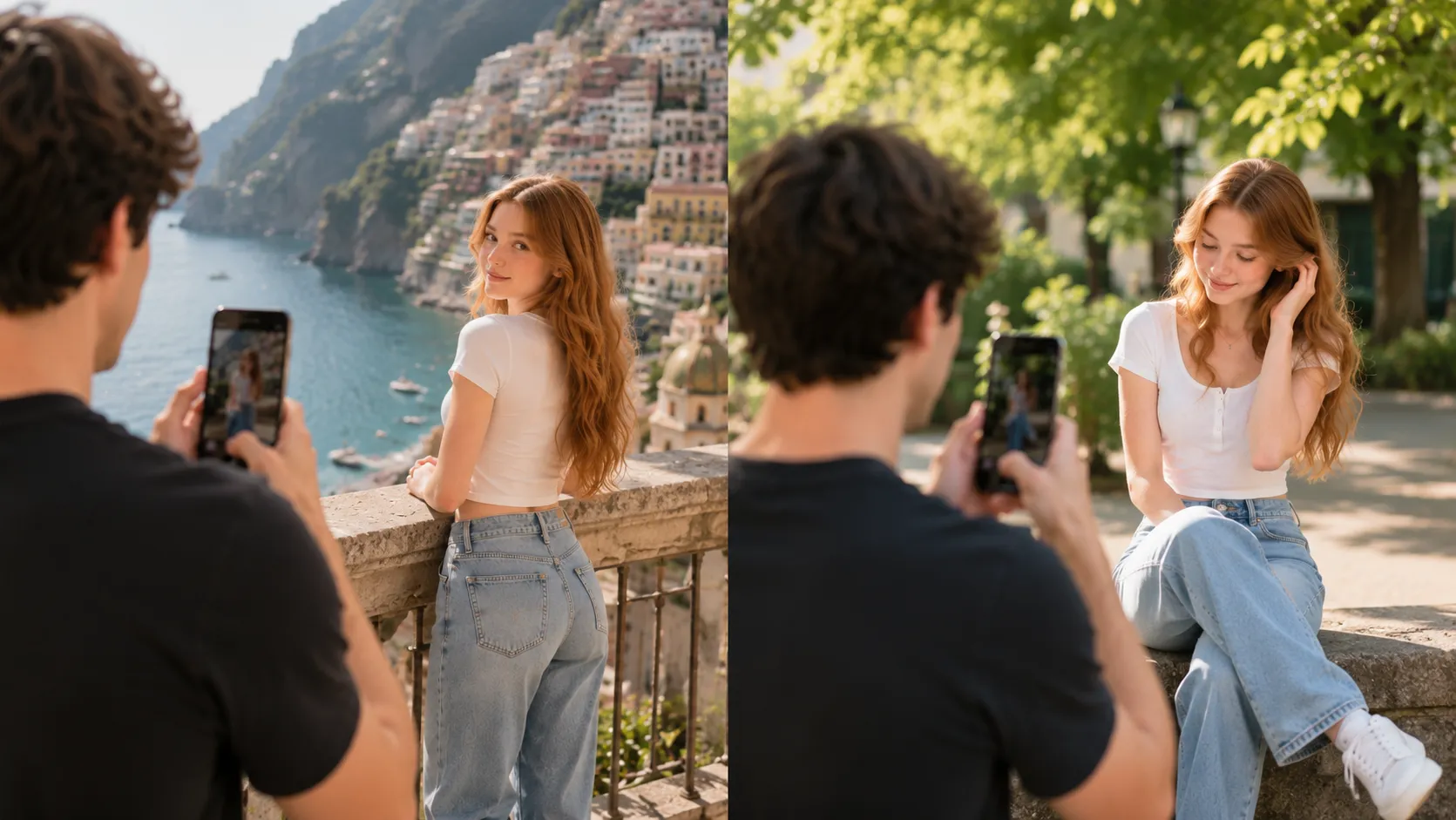
- Se aleje y después mire hacia atrás.
- Gire un poco mientras se acomoda una manga.
- Se siente y después levante la mirada.
- Entre en el encuadre desde un lado.
- Hable o se ría mientras camina.
Toma varias fotos durante el movimiento. La mejor imagen puede aparecer entre las acciones que habías planeado, justo cuando la persona deja de pensar en la cámara y vuelve a relajarse.
Deja que mire hacia otro lado primero
Mirar directamente al lente puede sentirse demasiado intenso, especialmente al principio. Empieza con fotos en las que la persona mire hacia un lado, hacia abajo o hacia algún elemento del lugar.
Cuando se sienta más cómoda, prueba una toma rápida mirando a la cámara.
Esta secuencia suele funcionar bien:
- Primera foto: mirando hacia un lado.
- Segunda foto: mirando sus manos o algún objeto.
- Tercera foto: mirando ligeramente más allá de la cámara.
- Cuarta foto: mirando al lente durante un momento breve.
Así, el contacto visual se convierte en una opción más dentro de la serie, no en la única forma de tomar la foto.
Elige ángulos sencillos y familiares
Al principio, evita los ángulos demasiado extremos. Una toma desde muy abajo, un primer plano excesivamente cercano o un encuadre inclinado pueden hacer que la persona se sienta todavía más expuesta.
Empieza con un ángulo natural, aproximadamente a la altura de los ojos o del pecho.
Para retratos:
- Sostén el teléfono a la altura de los ojos o ligeramente por encima.
- Mantén una distancia cómoda.
- Evita acercarte demasiado desde la primera foto.
Para tomas de cuerpo completo:
- Aléjate unos pasos.
- Coloca el teléfono aproximadamente a la altura del pecho.
- Mantén el encuadre recto.
- Deja suficiente espacio alrededor del cuerpo.
Puedes usar esta lista rápida:
- Teléfono estable y recto.
- Distancia cómoda al comenzar.
- Espacio suficiente alrededor de la persona.
- Fondo limpio.
- Un ángulo sencillo antes de probar algo más creativo.
Un encuadre equilibrado puede hacer que toda la experiencia se sienta más tranquila.
Ayuda a que las manos se vean naturales
Las manos suelen ser una de las partes más difíciles de colocar. Decirle a alguien que las relaje no siempre ayuda, porque puede seguir sin saber qué posición debería adoptar.
Es más fácil darles una pequeña tarea.
Puede:
- Sostener una taza, un teléfono, un libro o unos lentes de sol.
- Colocar una mano en un bolsillo.
- Sujetar la correa del bolso.
- Acomodarse una manga o una chaqueta.
- Apoyar una mano sobre una mesa o una baranda.
- Tocarse ligeramente el cabello durante una toma rápida.
La acción debería tener sentido en el lugar.
Una taza funciona en una cafetería. La correa de un bolso funciona durante un paseo. Una baranda puede servir en un mirador. Cuanto más normal se sienta la acción, menos tendrá que pensar la persona en cómo posar.
Busca un fondo sencillo
Un fondo muy cargado puede añadir ruido visual y hacer que la foto se sienta todavía más complicada.
Para alguien que no está cómodo frente a la cámara, busca un espacio tranquilo que no le quite protagonismo.
Algunas buenas opciones son:
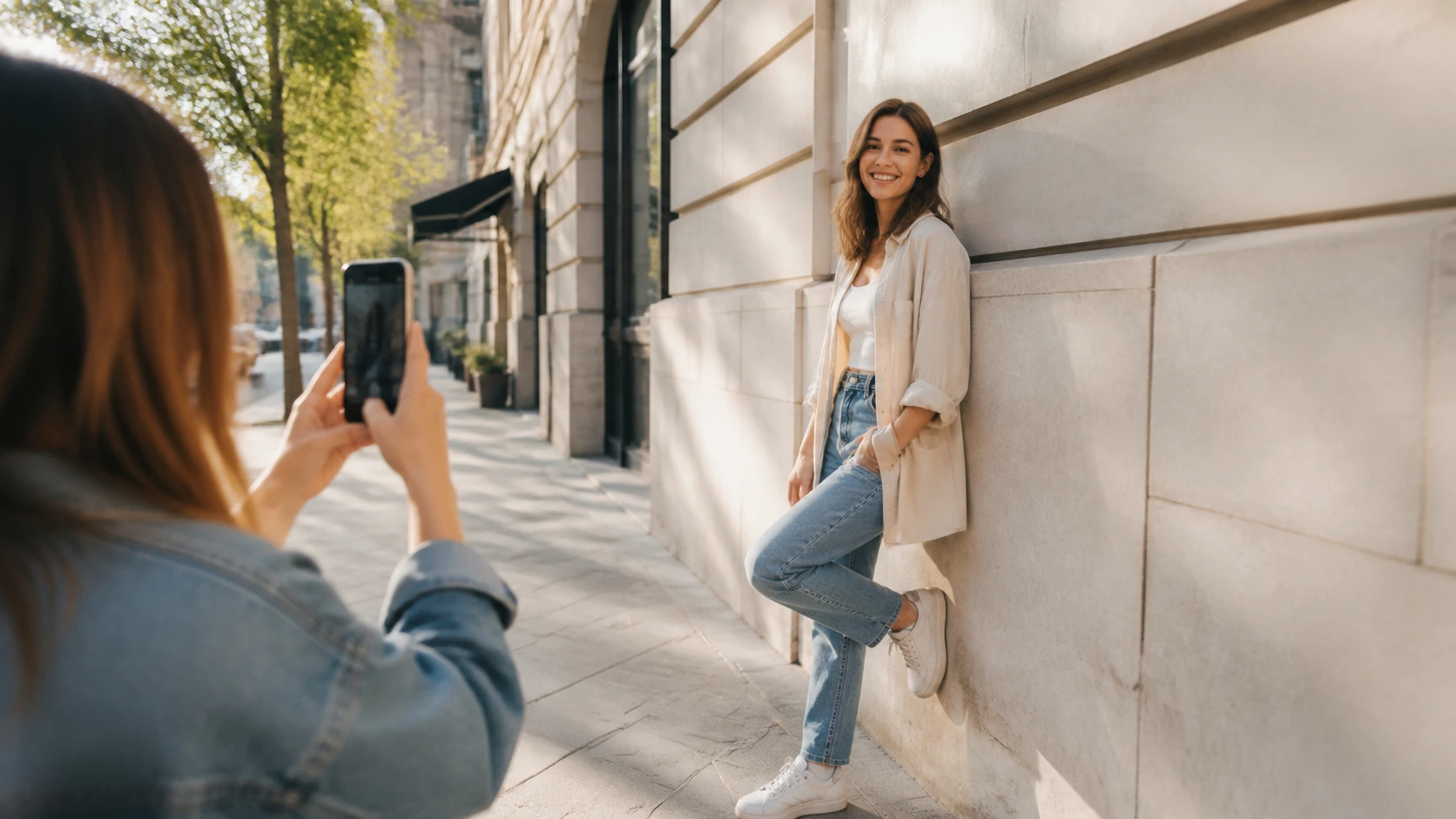
- Una pared sencilla con buena luz.
- Una esquina tranquila de la calle.
- Un asiento junto a una ventana.
- Una puerta limpia.
- Un sendero en un parque.
- Una esquina de cafetería con luz suave.
Antes de tomar la foto, revisa qué hay detrás de su cabeza y sus hombros. Si aparece un poste, una señal, una luz muy brillante o un grupo de personas, muévete ligeramente para limpiar el encuadre.
Una composición ordenada permite que la persona destaque sin necesitar una pose complicada.
Habla mientras tomas las fotos
El silencio puede hacer que alguien sienta que está siendo observado o evaluado. Mantén la conversación de forma natural mientras tomas las fotos.
Puedes darle comentarios breves y positivos, sin corregir cada pequeño detalle.
Por ejemplo:
- Ese ángulo funciona bien; ahora probemos una caminando.
- La luz se ve bien aquí.
- Mira hacia allá un momento.
- Perfecto, ahora gira un poco hacia mí.
- Hagamos una última versión más relajada.
No se trata de elogiar de forma exagerada. Se trata de mantener el momento en movimiento para que la persona no se sienta atrapada sosteniendo una pose.
Toma algunas opciones y detente antes de que resulte agotador
Una sesión demasiado larga puede hacer que una persona tímida ante la cámara pierda rápidamente la comodidad que había ganado.
Toma una pequeña serie y detente mientras el ambiente todavía se siente ligero.
Puedes probar:
- Una foto caminando.
- Un retrato mirando hacia otro lado.
- Una toma sentada o apoyada.
- Una foto de cuerpo completo.
- Una foto rápida mirando a la cámara.
Después, deja que revise algunas opciones. Encontrar aunque sea una foto que le guste puede ayudarle a sentirse más segura la próxima vez.
Cómo puede ayudar Pajoox a que el momento se sienta más cómodo
Cuando alguien no se siente cómodo frente a la cámara, una de las partes más difíciles es encontrar una pose que parezca suficientemente fácil para intentarla.
Pajoox puede ofrecer ideas prácticas de poses, sugerencias de ángulos y orientación de composición a partir de la escena real.
Su guía basada en IA puede ayudarte a decidir:
- Qué acción probar primero.
- Dónde colocar a la persona.
- Desde qué ángulo sostener el teléfono.
- Cuánto espacio dejar alrededor.
- Cómo conseguir un encuadre más natural.
La intención no es convertir el momento en una sesión complicada, sino darte algunas opciones claras para que la persona pueda sentirse más tranquila y la foto refleje mejor cómo es realmente.
Lista rápida para fotografiar a alguien tímido ante la cámara
Antes y durante la foto, revisa lo siguiente:
- ¿La persona se siente cómoda con la idea?
- ¿La primera pose puede evitar mirar directamente al lente?
- ¿Tiene algo sencillo que hacer con las manos?
- ¿El fondo está limpio?
- ¿El ángulo del teléfono se siente natural?
- ¿Estás dando una sola indicación a la vez?
- ¿Te detuviste antes de que el momento se volviera agotador?
Las fotos naturales de alguien que se siente incómodo ante la cámara requieren paciencia y sencillez.
Usa movimiento, indicaciones suaves, un encuadre limpio y poses fáciles de seguir. Cuando la persona se siente respetada y tranquila, es mucho más probable que la foto se parezca realmente a ella.